.webp)
Bow-wow Battle – How to Build a Strong Team, Win Battles, and Master Every Match

Bow-wow Battle is a playful battle-focused game that combines cute canine characters with strategic decision-making and competitive encounters. Beneath its colorful presentation, success depends on understanding your team, choosing the right abilities, positioning your units effectively, and adapting your strategy to different opponents.
Winning consistently is not simply about selecting the strongest-looking characters. A balanced team with good synergy can often perform better than a collection of powerful units that do not complement each other. Understanding when to attack, defend, upgrade, or change your strategy can make a major difference during difficult matches.
This guide explains how to get started, build an effective team, understand combat, manage resources, improve your characters, and develop a reliable strategy for progressing through Bow-wow Battle.
1. How to Start Your First Battles
The opening matches are an opportunity to learn the basic mechanics without worrying too much about perfect optimization. Pay attention to how your characters attack, how abilities function, and how opponents respond to different actions.
Start by experimenting with the available characters rather than immediately committing to one strategy. Different characters can provide different offensive, defensive, or utility advantages, and understanding these differences will help you create stronger teams later.
During the early stages, focus on:
- Learning the combat system
- Testing different characters
- Understanding basic abilities
- Observing enemy behavior
- Completing early objectives
- Saving useful resources for future upgrades
The information you gain from the first few matches will become increasingly valuable as opponents become more challenging.

2. How to Build a Balanced Team
Team composition is one of the most important parts of Bow-wow Battle. A team made entirely of offensive characters may deal significant damage but struggle to survive, while an overly defensive team may have difficulty finishing opponents.
Try to create a team where each character has a clear purpose. Offensive characters can pressure opponents, defensive characters can absorb or reduce incoming damage, and support-oriented characters can improve the effectiveness of the rest of the team.
Before starting a match, consider whether your team has answers to different situations. You should have enough damage to defeat opponents while maintaining enough survivability to withstand attacks.
A balanced team might include:
- A primary damage dealer
- A durable defensive character
- A support or utility character
- A flexible character for adapting to different opponents
As you unlock more options, experiment with combinations rather than assuming that a character is automatically useful simply because it has higher basic statistics.
3. How to Understand Character Strengths
Every character should be evaluated according to how it contributes to the entire team. A character with high damage may be vulnerable, while a defensive character may provide value by allowing stronger teammates to survive longer.
Spend time learning the strengths and weaknesses of your available characters. Look at their attack range, durability, abilities, movement, and potential role within a team.
Try asking several questions before selecting a character:
- What role does this character perform?
- How much damage can it provide?
- Can it survive prolonged encounters?
- Does it support other characters?
- Does it work well with your current team?
- What type of opponent can counter it?
Once you understand these characteristics, team building becomes much more strategic.
4. How to Improve Your Combat Strategy
Combat becomes easier when you stop treating every encounter the same way. Different opponents may require different approaches, so learn to identify what is happening during the battle before committing to a strategy.
If an opponent is heavily defensive, constantly attacking without considering their defenses may waste opportunities. If they rely on fragile offensive characters, targeting those threats early may reduce their ability to pressure your team.
Timing is also important. Avoid using every powerful ability immediately if there is no immediate advantage. Saving an important ability for the right moment can completely change the outcome of an encounter.
A useful combat rhythm is:
- Observe the opposing team.
- Identify the biggest immediate threat.
- Protect vulnerable teammates.
- Create an opportunity for your damage dealers.
- Use abilities at meaningful moments.
- Adjust your strategy as the battle develops.
The ability to adapt is often more valuable than following a fixed sequence of actions.
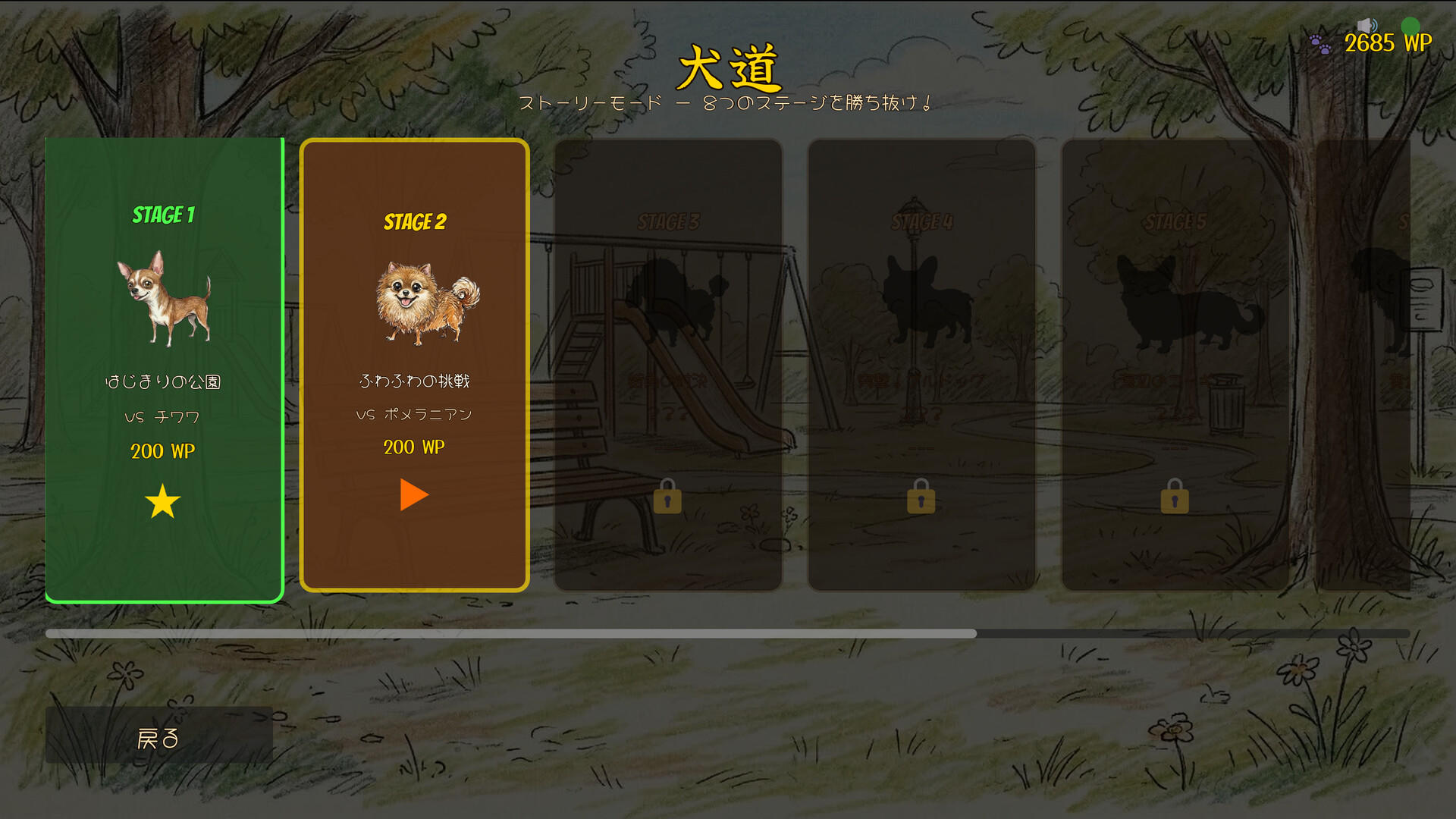
5. How to Use Abilities Effectively
Special abilities can provide some of the biggest advantages during battles. However, their effectiveness depends heavily on timing.
Using an ability simply because it is available may produce little value. Instead, wait for situations where the effect can influence several important factors at once.
For offensive abilities, look for moments when enemies are vulnerable or grouped together. Defensive abilities are often more valuable immediately before a major enemy attack rather than after your team has already taken heavy damage.
Support abilities should also be used with a clear purpose. Improving a teammate who is about to be eliminated may have less impact than strengthening a character that can continue dealing damage for a longer period.
Always consider the question: What changes if I use this ability right now?
If the answer is unclear, waiting may be the better decision.
6. How to Upgrade Your Characters
Character progression allows your team to become stronger over time. However, spreading resources across every available character can leave your main team underdeveloped.
Start by identifying the characters you use most frequently. Invest your early resources into them so that your core team becomes reliable.
When choosing upgrades, consider what your team actually needs. Increasing offensive power can help you finish battles faster, while defensive improvements can allow your characters to survive longer against stronger opponents.
A practical upgrade priority is:
- Strengthen your primary team.
- Improve characters that consistently contribute.
- Fix important weaknesses.
- Upgrade complementary abilities.
- Expand into additional characters later.
Avoid investing heavily in characters that you rarely use unless they provide a specific strategic advantage.
7. How to Manage Resources Efficiently
Resources are important for character progression, upgrades, and other forms of development. Spending everything as soon as you receive it can leave you without enough materials when a major upgrade becomes available.
Try to maintain a reserve of important resources. Before making an upgrade, consider whether it provides an immediate improvement to your primary team.
Daily or recurring activities can also become important sources of progression. Completing objectives consistently can help you accumulate resources without relying entirely on major battles.
Good resource management means:
- Prioritizing your main team
- Avoiding unnecessary upgrades
- Saving resources for important improvements
- Completing useful objectives
- Monitoring which resources are becoming scarce
A strong economy gives you more flexibility when you encounter difficult opponents.
8. How to Deal With Difficult Opponents
Eventually, you will encounter teams that expose weaknesses in your usual strategy. Instead of repeatedly using the same approach, analyze why you are losing.
Look at which characters are causing the most problems. You may discover that a particular opponent is overwhelming your defensive character, eliminating your damage dealer too quickly, or preventing your team from using its abilities effectively.
Once you identify the problem, make a targeted adjustment. You may need to change one character, modify the order of your attacks, improve equipment, or invest in a specific upgrade.
Before attempting a difficult battle again, check:
- Which enemy is causing the most damage?
- Which of your characters is struggling?
- Are you using abilities at the right time?
- Does your team have enough defensive support?
- Can another character provide a better counter?
- Would additional upgrades make a meaningful difference?
Treat difficult battles as strategic puzzles rather than simply tests of power.
9. How to Adapt Your Team for Different Battles
One team may be effective against one opponent but struggle against another. Learning to make small changes to your lineup can significantly improve your consistency.
You do not necessarily need to replace your entire team. Often, changing one or two characters is enough to address a particular weakness.
For example, if an opponent has strong offensive pressure, additional defensive or support capabilities may help. If their team is heavily defensive, increasing your damage output may be more useful.
Maintain several characters that can perform different roles. This gives you more flexibility when the game introduces new challenges.
The more diverse your roster becomes, the easier it is to build a team specifically suited to the situation rather than relying on one fixed composition.
10. How to Build a Strong Long-Term Strategy
Long-term success in Bow-wow Battle comes from combining team building, character progression, resource management, and tactical decision-making. Instead of focusing exclusively on individual victories, develop a system that consistently improves your roster.
Maintain a strong core team while gradually expanding your options. Continue learning how different characters interact and identify combinations that complement each other.
As you progress, periodically review your strategy. A team that works well during the early stages may eventually become less effective against stronger opponents. Do not hesitate to adjust your lineup when new characters, abilities, or upgrades become available.
Keep these principles in mind:
- Build teams around complementary roles.
- Learn the strengths and weaknesses of each character.
- Use abilities with deliberate timing.
- Upgrade your core characters first.
- Save resources for meaningful improvements.
- Adapt your lineup to difficult opponents.
- Maintain multiple strategic options.
- Learn from every battle.
With consistent experimentation and careful resource management, your roster can become increasingly versatile and capable of handling tougher encounters.
Conclusion
Bow-wow Battle combines accessible character-based combat with strategic team building and tactical decision-making. Building a strong roster is only the beginning; understanding how your characters interact and adapting your strategy to different opponents is what allows you to progress consistently.
Start by learning the fundamentals, then develop a balanced team with clear roles. Upgrade your core characters, manage resources carefully, and pay close attention to how opponents attack. When a strategy stops working, identify the specific weakness and make a targeted adjustment rather than simply repeating the same approach.
With practice, careful planning, and a flexible roster, you can turn your collection of canine fighters into a coordinated team capable of taking on increasingly difficult battles in Bow-wow Battle.