






Jump Space is a fast-paced sci-fi experience that blends space navigation, tactical combat, resource management, and exploration across dangerous cosmic environments. Whether you are piloting a small ship through asteroid fields or commanding advanced fleets across unstable jump corridors, mastering the game requires precision, planning, and quick decision-making.
Unlike traditional space games, Jump Space emphasizes momentum, positioning, and timing. Every jump, every maneuver, and every encounter can determine survival or destruction. This guide walks you through a complete progression path—from beginner fundamentals to advanced strategies—so you can dominate space travel, optimize your ship, and survive the most dangerous sectors of the galaxy.
Understanding the Core Mechanics of Jump Space
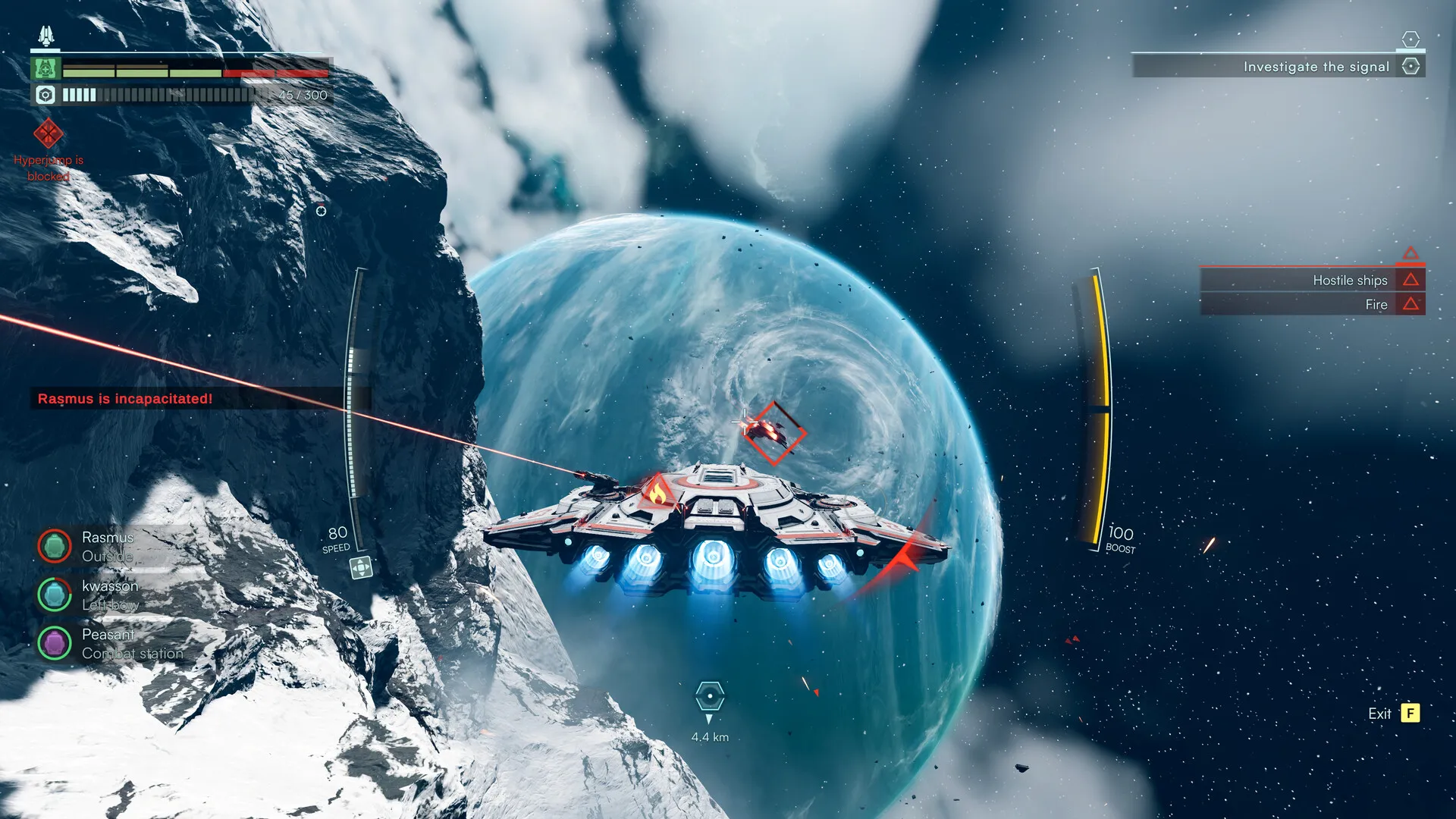
At its core, Jump Space revolves around navigation and control. Players must manage ship movement, fuel consumption, and jump timing while dealing with threats such as enemy ships, environmental hazards, and unstable wormholes.
The jump mechanic is the most important system in the game. It allows you to travel quickly across sectors, evade danger, or reposition in combat. However, poorly timed jumps can send you into hazardous zones or leave you vulnerable to attacks. Learning when and where to jump is the foundation of mastery.
Momentum also plays a major role. Ships do not stop instantly, and every movement decision carries weight. Understanding inertia helps you avoid collisions and maintain control in tight situations.
Starting Strong as a New Pilot
The early game focuses on learning basic controls, navigation, and survival. Your first goal should be to become comfortable with ship handling. Practice accelerating, decelerating, and turning smoothly to avoid unnecessary damage.
Start with low-risk sectors to build confidence. These areas allow you to gather resources, complete simple objectives, and learn enemy behavior without overwhelming pressure. Rushing into dangerous zones too early often leads to quick failure.
Pay attention to your ship’s systems. Understanding how fuel, shields, and energy work will help you avoid common beginner mistakes. Managing these systems properly ensures you stay operational during longer missions.
Mastering Jump Mechanics and Timing
Jumping is not just a travel mechanic—it is your most powerful survival tool. Mastering it requires understanding both timing and positioning. Jump too early, and you may waste fuel or miss opportunities. Jump too late, and you risk taking heavy damage.
Always scan your surroundings before initiating a jump. Identify safe landing zones, enemy positions, and environmental hazards. Planning your destination reduces the risk of landing in danger.
In combat, jumps can be used to reposition behind enemies or escape overwhelming situations. Learning to chain jumps effectively allows you to control the battlefield and stay unpredictable.
Managing Fuel, Energy, and Resources
Resource management is critical in Jump Space. Fuel powers your jumps, energy supports your ship systems, and materials are used for repairs and upgrades. Running out of any of these can leave you stranded or defenseless.
Plan your routes carefully to avoid unnecessary jumps. Efficient navigation conserves fuel and allows you to travel farther without resupply. Always keep a reserve in case of emergencies.
Energy management is equally important. Diverting power between shields, engines, and weapons at the right time can mean the difference between survival and destruction. Learn to adjust your systems dynamically based on the situation.
Upgrading and Customizing Your Ship
Your ship is your lifeline, and upgrading it is essential for long-term success. As you progress, you will unlock new modules, weapons, and defensive systems that enhance your capabilities.
Focus on upgrades that match your playstyle. If you prefer aggressive combat, invest in weapons and engine boosts. If you favor exploration, prioritize fuel efficiency and scanning systems. Balanced builds provide flexibility, but specialized builds can excel in specific scenarios.
Customization also allows you to adapt to different sectors. Some regions require strong shields, while others demand better mobility. Adjusting your loadout before entering new areas increases your chances of survival.
Exploring Dangerous Sectors Efficiently
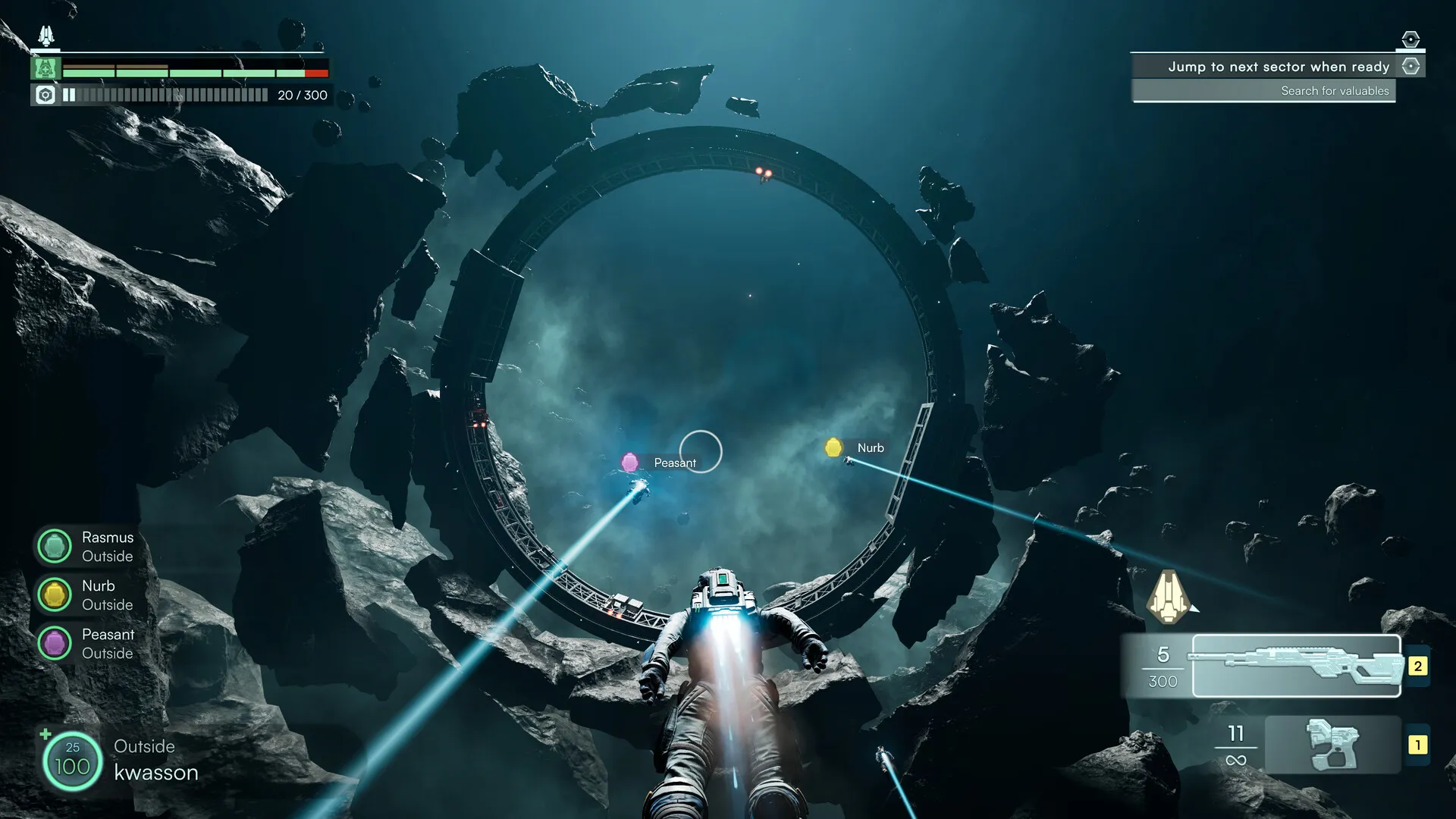
Exploration in Jump Space is both rewarding and risky. Dangerous sectors contain valuable resources and rare upgrades but are filled with hazards such as asteroid storms, radiation zones, and hostile fleets.
Move cautiously when entering new sectors. Use scanning tools to identify threats and opportunities before committing to a path. Rushing blindly often leads to damage or resource loss.
Mapping safe routes is a key skill. By learning sector layouts and hazard patterns, you can travel efficiently while minimizing risk. Experienced players rely on memory and observation to navigate complex regions quickly.
Winning Space Combat Encounters
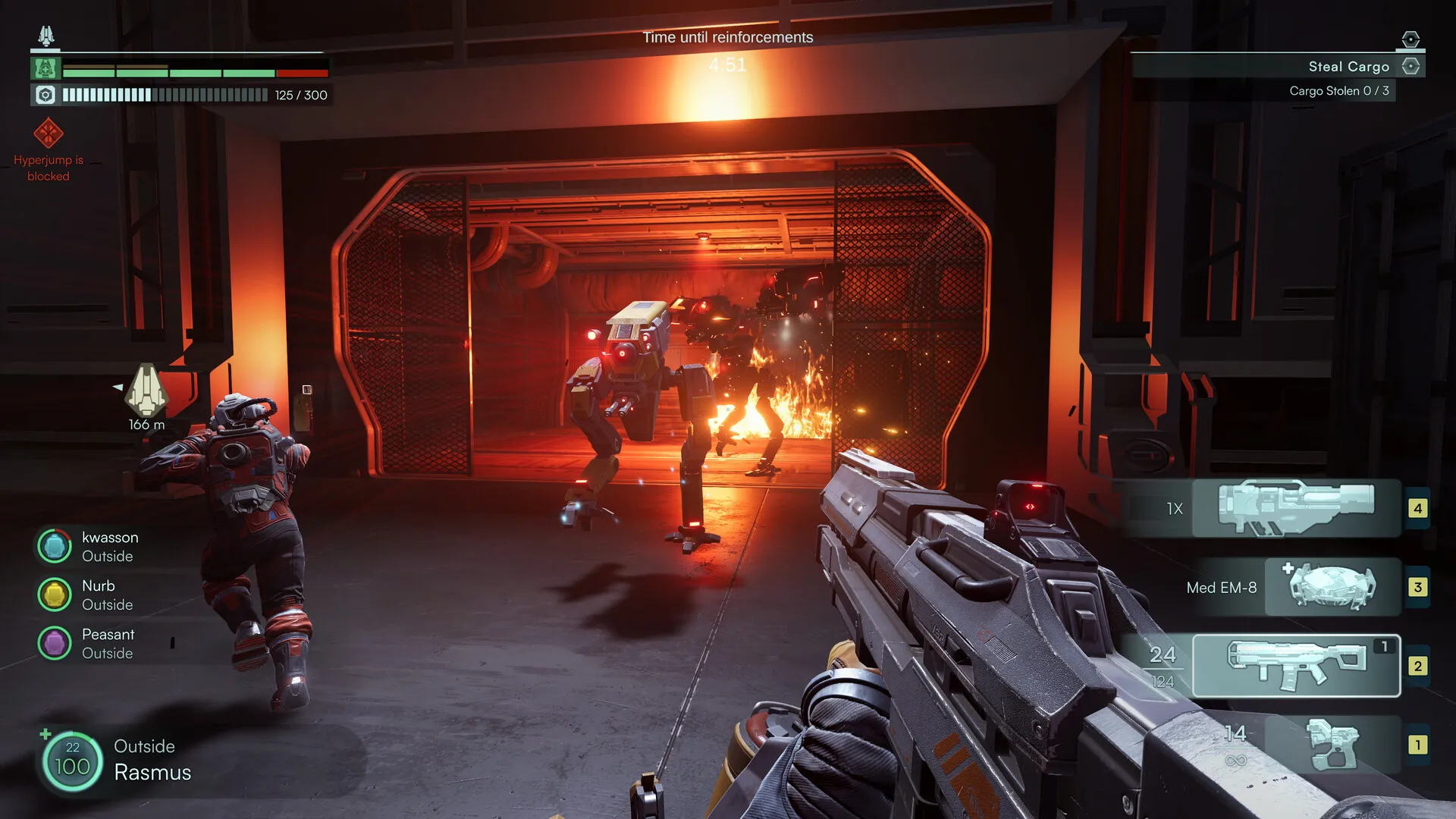
Combat in Jump Space requires precision and situational awareness. Unlike slower strategy games, battles happen quickly and demand constant movement and decision-making.
Positioning is everything. Staying mobile makes you harder to hit and allows you to control engagement distance. Use obstacles like asteroids to block enemy fire and create opportunities to strike.
Target prioritization is also crucial. Focus on weaker or more dangerous enemies first to reduce incoming damage. In larger battles, isolating targets prevents you from being overwhelmed.
Using the Environment to Your Advantage
The environment in Jump Space is not just a backdrop—it is a tool. Asteroid fields, debris zones, and gravitational anomalies can all be used strategically during both exploration and combat.
Asteroids provide cover but can also be hazards if you lose control. Skilled pilots weave through them to avoid enemy fire while maintaining offensive pressure. Gravitational fields can alter movement, allowing for creative maneuvers if used correctly.
Learning how each environmental element behaves gives you an edge over enemies who fail to adapt. Mastery involves turning dangerous terrain into an advantage rather than a threat.
Handling High-Risk Missions and Late-Game Challenges
As you progress, missions become more complex and dangerous. Late-game challenges introduce stronger enemies, tighter resource constraints, and unpredictable environments that test all your skills.
Preparation is essential before entering these missions. Ensure your ship is fully upgraded, your resources are stocked, and your strategy is clear. Going in unprepared often leads to failure.
During high-risk missions, stay calm and adaptable. Situations can change rapidly, requiring quick decisions and precise execution. Trust your experience and focus on maintaining control rather than reacting impulsively.
Achieving Long-Term Mastery in Jump Space
True mastery of Jump Space comes from combining all aspects of gameplay into a seamless experience. Navigation, combat, resource management, and environmental awareness must work together in harmony.
Practice is key. The more you play, the better you understand ship handling, enemy behavior, and sector layouts. Over time, actions that once required effort become instinctive.
Experiment with different strategies and builds. Trying new approaches helps you discover more efficient methods and adapt to changing challenges. The best players are not just skilled—they are flexible and constantly improving.
Conclusion
Mastering Jump Space requires a balance of precision, strategy, and adaptability. By learning how to control your ship, manage resources, optimize upgrades, and navigate dangerous sectors, you can overcome even the toughest challenges the game offers. With practice and careful planning, you will transform from a cautious pilot into a confident space explorer capable of dominating the galaxy.